What is NFT? is a question you might ask when you first hear about digital art with real ownership and value. NFT art refers to unique digital creations stored on the blockchain, offering digital artists and buyers a secure way to trade and own art. This technology has transformed how we view and interact with digital assets, making it essential to understand its potential.
In this article, we take you through the history of NFT art, how to create one, and how to buy and sell these digital assets. You’ll also learn about the benefits, challenges, and future of NFT art. Keep reading to gain a clear understanding.
What Is NFT Art?
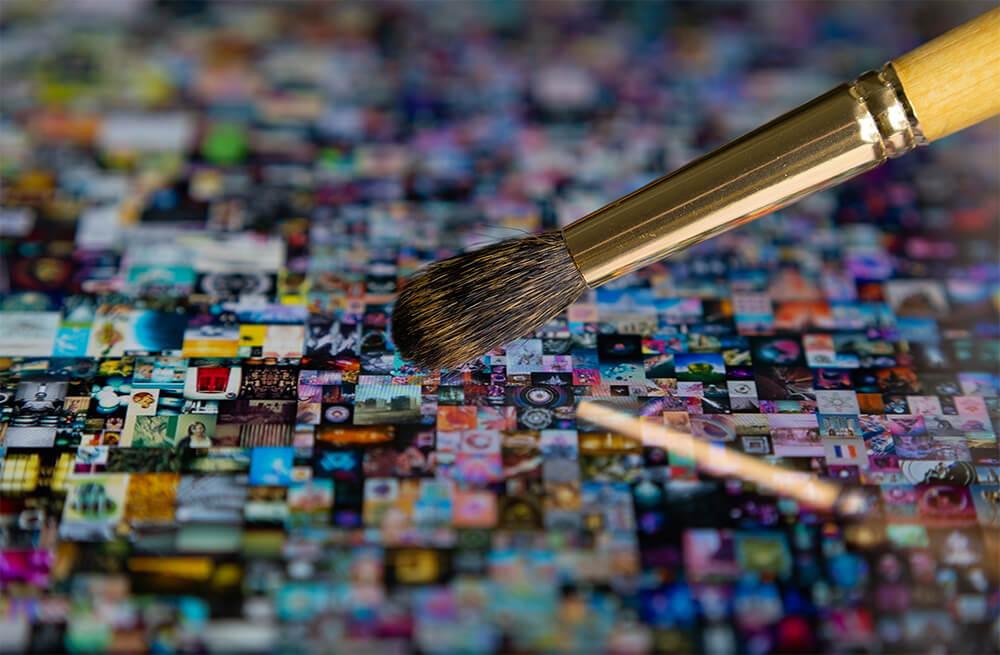
NFT art is digital work that uses a Non-Fungible Token to show clear ownership. An NFT links a single file to a record on a blockchain. This record shows who owns the work and how ownership moves over time. You view the image, video, audio, or 3D piece online, but the NFT is the proof that you hold the original version. This helps artists protect their work and helps you understand what you are buying.
NFT art works with blockchain systems that use crypto tokens. If you are new to these systems, learn the basics. This foundation helps you understand how NFT art fits into the wider digital space. NFT art meaning grows from this link between creative work and verifiable ownership. The focus is not on the tech. The focus is on giving you a clear way to hold, trade, and enjoy digital work with trust.
The History and Evolution of NFT Art
NFT art began in 2014 when Kevin McCoy created Quantum. This digital art piece linked ownership to a blockchain record and showed how Non-fungible Tokens (NFTs) could give a single file a clear holder. The tools were early and often slow, but the idea proved that digital art could have tracked ownership. These first steps formed the base for the growth that followed.
Progress accelerated in 2017 when the Ethereum blockchain offered steady support for NFTs. This made creation and trading easier and opened the door for projects such as CryptoPunks and CryptoKitties. These projects introduced rarity and verified ownership to create digital art and helped show how NFTs could hold long term value. They also proved how creators could reach new audiences without relying on traditional paths.
Important Events and Trends in NFT Art
Several key moments shaped the rise of NFT art and helped it enter the wider culture. A turning point came in 2021 when Beeple sold Everydays: The First 5000 Days at a large auction house. The final price reached 69.3 million dollars. This event drew worldwide attention and showed that a Non-fungible Token (NFT) tied to digital art could hold strong market value.
During the same period, collections such as CryptoPunks and Bored Ape Yacht Club gained steady traction. These projects helped define profile picture NFTs and highlighted the appeal of generative art. Their growth also showed how limited traits, community involvement, and clear ownership shaped trends in digital art.
Another trend involved the spread of NFTs in online worlds. Digital galleries, metaverse events, and virtual displays gave you new ways to enjoy art. Growth also came from play to earn games, virtual land projects, and brand partnerships. These shifts show how NFT art moved beyond single images and became part of larger digital spaces.
How Does NFT Art Work?
NFT art links a digital piece to a non-fungible Token stored on a blockchain. The token proves that you hold the original version connected to the artist. Each record shows the creator and the full transfer history, and this builds trust in a space where digital files move fast.
Creation begins when an artist uploads a piece to an NFT platform. The platform generates a token and stores its details on the blockchain. These details include the creator, the date, and a link to the stored file. After the token goes live, you trade it through supported marketplaces. Each transfer updates the blockchain so ownership stays clear.
Many NFTs rely on smart contracts that manage royalties for creators. If you want a simple starting point to build a solid foundation before diving deeper into NFTs, explore cryptocurrency basics. This will help you understand how the setup behind cryptocurrency art supports safe transfers and long term tracking.
You can view your tokens through a digital wallet. The wallet displays traits, past transfers, and movement across compatible platforms. Ownership flows through the token rather than new copies of the art, and this idea sits at the center of NFT art.
NFT Art vs Traditional Art: Key Differences
Non-fungible tokens in art have introduced new ways to create, hold, and share creative work. Traditional art has a long history and a strong place in culture, but digital ownership brings its own structure, tools, and habits. This section explains how the two formats differ so you understand where each one stands. Below, we explore the key differences between these two forms of art.
1. Ownership and Provenance
Ownership in non-fungible tokens art depends on a record stored on a blockchain. The record shows the creator, the owner, and the full transfer history. You do not need a separate certificate, as the record itself serves as proof, unlike traditional art.. This gives you a clear and public way to check if a piece is original.
Traditional art uses physical documents, expert reviews, and gallery records to confirm ownership. These methods can be strong, but they also take time and depend on trusted middle points. In some cases, paperwork gets lost or damaged. Both formats aim for clarity, yet they use different systems to reach it.
2. Storage and Display
NFT art lives in digital form. You store the token in a secure digital wallet. You display the work on screens, in viewing apps, or inside virtual spaces. This makes the art easy to share and easy to show to others. You do not need physical storage or climate control.
Traditional art depends on physical materials. Canvas, paper, and sculpture need safe environments. Sunlight, moisture, and wear change how long the piece lasts. Display takes planning and space. These limits shape how often you show the work and where it stays.
3. Market Access and Reach
NFT art uses open marketplaces. These platforms let artists sell directly to collectors without long wait times or complex reviews. You see the price, the creator, and the ownership record in one place. Many creators build global followings without physical galleries.
Traditional art markets depend on galleries, auctions, and private dealers. These spaces offer expert guidance and deep networks, but they often limit who gets access. Some artists wait years before they reach a large audience. Some collectors wait for rare pieces to appear at auction.
4. Royalties and Future Sales
NFT art often supports automatic royalties. Smart contracts send a set amount to the creator each time the work trades hands. This structure helps artists earn from long term interest in their work.
Traditional art has no built-in system for resale royalties in most regions. Creators usually earn income only from the first sale. Later sales benefit the seller, not the original artist. Some groups explore new rules, but these changes move slowly.
Advantages of NFT Art
- Clear ownership. Blockchain records show who created the piece and who holds it now.
- Direct support for creators. Artists sell their work without long approval steps or physical limits.
- Built in royalties. Smart contracts send earnings to artists when the work trades hands.
- Easy display. Digital files show well on screens, in apps, and in virtual spaces.
- Global reach. Marketplaces connect creators and collectors across regions with no physical barriers.
- Strong protection. The token record helps prevent changes to ownership details.
Disadvantages of NFT Art
- Market swings. Prices move fast and may create confusion for new collectors.
- Technical steps. Wallet setup, platform use, and blockchain fees add early friction.
- Storage risks. Losing access to a wallet or key leads to loss of control over tokens.
- Environmental concerns. Some blockchains use high energy levels.
- Limited physical presence. Digital pieces do not offer the same texture or scale as traditional art.
How to Create NFT Art

If you are wondering how to make NFTs, the process involves a few straightforward steps. Here’s a guide to help you get started:
Step 1. Choose Your Blockchain
Select a blockchain to store your NFT. Ethereum is a popular choice, but alternatives like Solana or Polygon may offer lower fees and faster transactions. Consider factors like transaction speed, costs, and environmental impact when making your decision.
Step 2. Set Up a Crypto Wallet
Create a crypto wallet to store your cryptocurrency and manage transactions. Popular options include MetaMask and Coinbase Wallet. Ensure your wallet supports the blockchain you’ve chosen.
Step 3. Add Cryptocurrency to Your Wallet
Purchase cryptocurrency compatible with your blockchain. For example, if you’re using Ethereum, you’ll need Ether (ETH). This will cover minting fees and other costs.
Step 4. Create and Digitize Your Art
Design your digital artwork using tools like Photoshop or Procreate. Once complete, save it in a compatible format such as PNG, JPEG, or MP4. This file will become the core of your NFT.
Step 5. Mint Your NFT
Upload your artwork to an NFT marketplace like OpenSea or Rarible. Follow the platform’s instructions to mint your NFT, which involves registering it on the blockchain. You’ll need to pay a minting fee, often referred to as a gas fee.
Step 6. List Your NFT for Sale
After minting, set up your NFT for sale. You can choose a fixed price or an auction format. Add a description and any additional features, such as unlockable content, to attract buyers.
How to Buy and Sell NFT Art

If you are exploring the best NFT to invest in, understanding the buying and selling process is essential. Here are the steps to get started:
Buying NFT Art
- Set Up a Crypto Wallet. Create a crypto wallet like MetaMask or Coinbase Wallet to store cryptocurrency. Ensure it supports the blockchain of your chosen NFT marketplace.
- Fund Your Wallet. Purchase cryptocurrency, such as Ether (ETH), from a trusted exchange. Transfer the funds to your wallet to cover the cost of NFTs and associated fees.
- Choose an NFT Marketplace. Select a popular NFT art platform like OpenSea, Rarible, or Binance NFT. These marketplaces offer a variety of NFTs, from digital art to collectibles.
- Browse and Purchase. Explore the marketplace to find an NFT that interests you. Decide whether to buy it at a fixed price or participate in an auction. Complete the transaction using your wallet.
Selling NFT Art
- Mint Your NFT. If you are an artist, create a digital file and mint it on a blockchain through an NFT marketplace. This process registers your work as a unique token.
- List Your NFT. Set up a listing on the marketplace. Choose between a fixed price or auction format and provide a detailed description to attract buyers.
- Complete the Sale. Once a buyer purchases your NFT, the transaction is recorded on the blockchain. If you’ve set royalties, you’ll earn a percentage from future resales.
The Value of NFT Art
The value of NFT art comes from NFT rarity ranking, ownership clarity, and steady demand in the digital space. Some collections, like Bored Ape Yacht Club, show strong sales driven by limited supply and active communities. Blockchain records give buyers a clear history of provenance and authenticity, and these traits shape long term interest in a digital piece. Scarcity and unique features also influence value in ways similar to traditional art. Usability features and support across the NFT art platform add more appeal. Prices rise and fall with market trends, and early engagement in strong collections often leads to higher returns.
The Future of NFT Art
The future of NFT art points to steady growth shaped by better tools, stronger communities, and wider creative use. Artists explore animation, sound, code driven pieces, and cross platform displays. Galleries test virtual shows that reach audiences without physical limits. Brands work with creators to release collections linked to events or digital access. Platforms improve royalty systems so creators earn from long term activity. Investors study traits, sales patterns, and market data to track potential growth. Some projects link tokens to physical items or shared experiences, creating new ways to hold and enjoy art. These trends suggest that digital ownership will remain part of modern creative work.
Conclusion
NFT art has grown into a clear part of digital culture. Non fungible Tokens support transparent ownership, simple transfers, and steady ways for creators to earn from their work. Traditional formats still hold strong value, yet digital tools offer new paths for creative expression. You choose the format that fits your goals, your taste, and your level of interest in blockchain systems. NFT art continues to evolve, and learning the basics helps you move through the space with confidence.
FAQs
NFT art is popular because it offers a unique blend of creativity and technology. It allows artists to monetize their work directly, ensures ownership through blockchain, and often includes perks like exclusive access or royalties, making it appealing to both creators and collectors.
NFT art can be a good investment if you focus on pieces with strong demand, unique value, or from reputable collections. However, the market is volatile, so it’s important to choose wisely based on your goals.
Yes, traditional artists can transition to creating NFT art by digitizing their work and minting it on a blockchain. Many successful NFT creators started with traditional mediums and adapted their skills to the digital space.
While the digital file of NFT art can be duplicated, the ownership and authenticity of the original piece are secured on the blockchain, making it unique and verifiable.
NFT art worth buying often comes from established collections or creators with a strong following. Look for pieces that resonate with you and have potential for long-term value, such as those from popular collections like Bored Ape Yacht Club or CryptoPunks.